

Furnish Smarter, Live Greener

Join us as we explore Circular Sourcing Journeys: How Rentals, Swaps, and Secondhand Markets Furnish Greener Homes. We’ll unpack flexible rental strategies, neighborly exchange ideas, and secondhand treasure-hunting habits that cut waste, save money, and elevate style. Share your experiences in the comments, subscribe for monthly challenges, and help shape our next community experiments toward practical, beautiful, lower-impact living.

Why Circular Choices Change Everything

Home furnishing often hides a heavy environmental footprint, from extracting raw materials to transporting bulky pieces that rarely get a second life. Choosing rentals, swaps, and secondhand sources keeps furniture in use longer, reduces waste, and stretches budgets. We’ll show how these decisions compound into meaningful climate wins while honoring personal taste and comfort at home.

Rentals With Purpose

Rentals help you furnish transitional spaces, pilot new layouts, or host guests without buying items you might soon outgrow. With the right providers, you access well-maintained pieces, delivery logistics, and easy returns. The key is aligning rental timelines with real needs, then selecting durable options that reflect your aesthetic, ensuring a seamless blend of practicality, comfort, and responsible consumption.

When Short-Term Is the Smartest Long-Term

Short leases, internships, home staging, and evolving family situations all benefit from flexible furnishing that adapts as life changes. Renting avoids the churn of buying cheap placeholders and discarding them later. Instead, you borrow quality pieces, evaluate what truly suits your lifestyle, and transition gracefully without waste, learning your preferences before committing to long-term ownership decisions.

Hygiene, Quality, and What to Inspect

Ask rental providers about cleaning protocols, repair standards, and material safety. Inspect joints, stitching, finishes, and mechanical parts upon delivery, documenting any issues. Favor solid frames, replaceable components, and stain-resistant fabrics. Quality rental fleets circulate robust items designed to last, meaning fewer defects and less downtime, while giving you peace of mind that your home remains healthy and comfortable.

Agreements That Protect Your Peace

Read rental terms carefully: delivery windows, damage policies, optional insurance, and extension options. Clarify responsibilities for minor wear versus major repairs, and photograph inventory at handoff. Favor transparent pricing and providers who refurbish diligently. A clear agreement saves time, reduces stress, and ensures every piece returns ready for another household, continuing the loop of responsible, shared use.

Swaps That Build Community

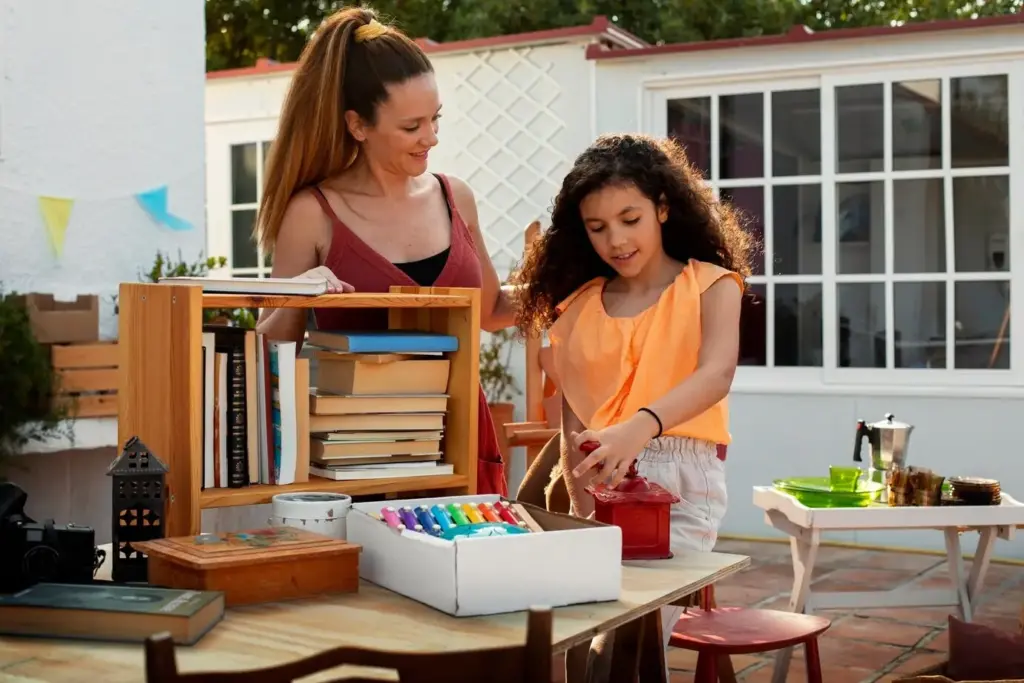
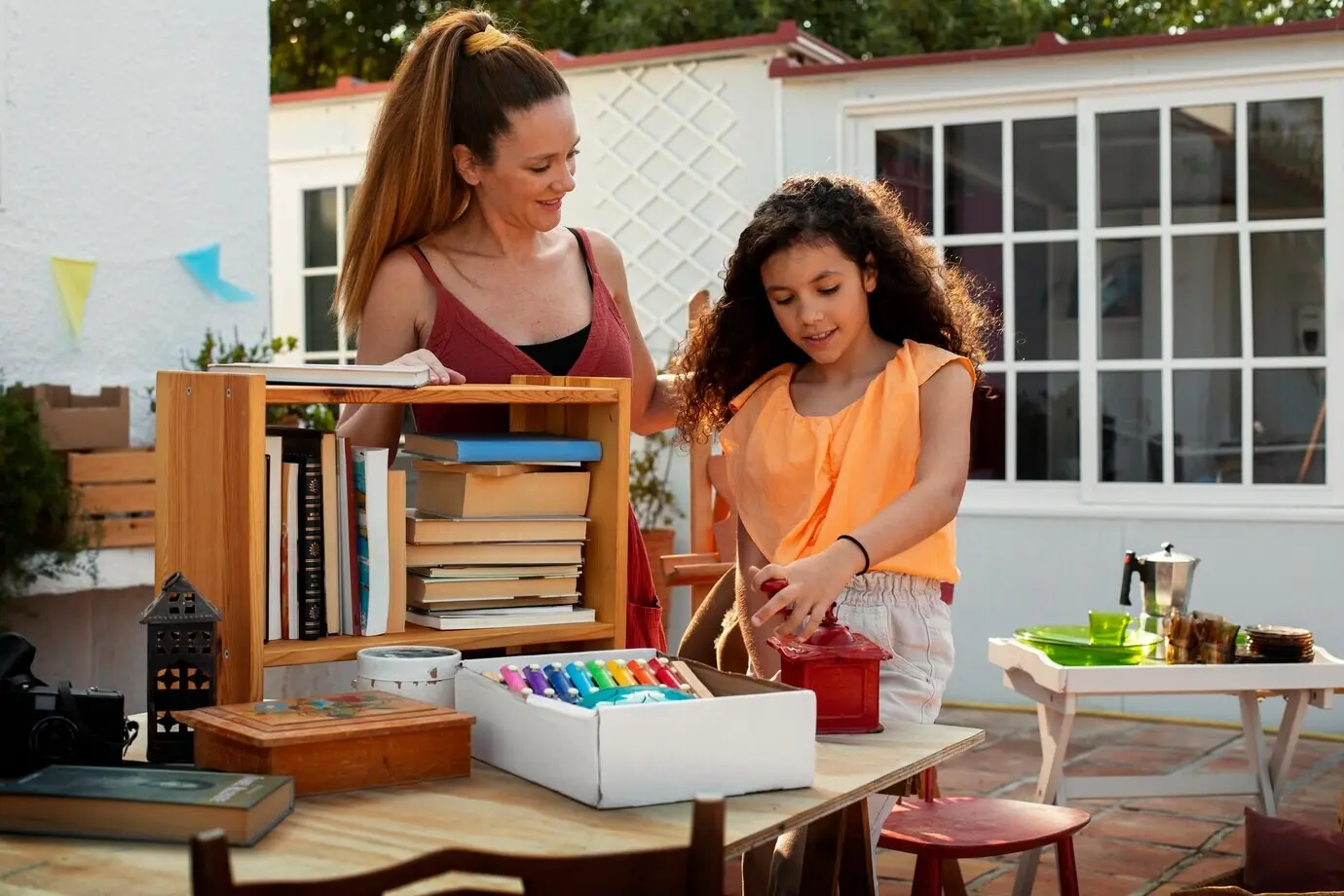
Swaps transform furnishing into a social experience where neighbors exchange pieces, stories, and design ideas. They reduce waste by finding new homes for items that still have years left in them. Thoughtful guidelines foster fairness, while a welcoming atmosphere inspires generosity. What starts as a furniture exchange often grows into a supportive network of repair help, recommendations, and ongoing inspiration.

Host a Swap People Remember

Pick a bright, accessible venue and set clear categories like seating, tables, lighting, and decor. Provide tags for materials, dimensions, and quirks. Offer measuring tapes, screwdrivers, and gentle cleaners for quick sprucing. A simple check-in process, music, and refreshments make the event enjoyable, ensuring items flow smoothly between new owners and return home to purposeful, appreciated use.

Digital Swaps Without Disappointments

Use local groups or dedicated platforms with strong moderation and clear rules. Post multiple angles, close-ups, and measurements. Be upfront about scratches or repairs needed, and coordinate safe pickups. Respect first-come agreements and time windows. Digital swaps thrive when transparency builds trust, allowing beautiful pieces to travel short distances instead of entering landfills or languishing unused in storage.

Secondhand Market Treasure Maps

From charity shops and auctions to online marketplaces and estate sales, secondhand channels are ecosystems of potential. Learning how to search, assess, and negotiate turns browsing into a skill. The best finds often combine solid materials, timeless forms, and easy-to-refresh finishes. With patience and a few tools, you’ll gather pieces that anchor rooms with warmth, history, and integrity.

Where the Good Stuff Hides

Arrive early at estate sales for sturdy staples, and revisit thrift stores on restock days. Search online by material, not brand, to surface sleeper deals in solid wood, wool, or metal. Local auctions and architectural salvage yards reveal unique forms. Patterns emerge with practice, building intuition for where quality gathers, how it’s described, and when to make your move.

Quality Checks Anyone Can Master

Test stability by gently rocking items on all corners, inspect joinery for gaps, and open drawers fully. Look for hardwood frames, real wood veneers, and tight stitching. Smell for mustiness and check for water damage. Minor dings and finish wear are fixable; structural problems cost more. A simple checklist keeps emotions in check while you assess true value.

Refresh, Refinish, and Reimagine

Light sanding, natural oils, or low-VOC paints can revive tired surfaces without overpowering grain or patina. Swap knobs, add new cushions, or rewire lamps safely to extend life. Start small to build confidence, then tackle bigger projects. Each refresh reduces demand for new production, turning personal creativity into tangible environmental savings that you can see and feel daily.

Designing Cohesion With Pre‑Loved Pieces

A cohesive look with circular sourcing starts by anchoring rooms with consistent color stories, repeating materials, and intentional contrasts. Layer textures to balance refinement and rustic charm. Allow each piece’s history to shine without visual clutter. The result is a home that feels personal and elevated, where creativity and sustainability are not opposites but partners in everyday comfort.

Mixing Eras Without Visual Noise

Pick a dominant color and repeat it across different decades, then echo shapes to bridge styles: rounded lamp shades with curved chairs, linear shelves with angular tables. Use textiles to soften transitions. Group related materials together so vintage brass and modern matte black feel deliberate. The eye reads cohesion when rhythm, proportion, and palette are thoughtfully repeated.

Small Spaces, Big Circular Wins

Choose multipurpose secondhand items: nesting tables, storage benches, and wall-mounted shelves. Light-scale furniture preserves openness, while mirrors amplify natural light to showcase textures. Rentals help test layouts before committing, and swaps deliver narrow pieces perfect for tight corners. With intention, compact homes become flexible canvases, proving sustainability can also be a masterclass in graceful, efficient spatial design.
Care, Safety, and Impact Tracking

Longevity is the quiet hero of circular furnishing. With mindful cleaning, simple repairs, and occasional professional refurbishment, pieces age gracefully and skip landfills. Safety matters too: verify stability, wiring, and recalls. Finally, track carbon, waste, and cost savings to stay motivated. Sharing results with friends or neighbors turns your progress into encouragement for a wider cultural shift.

Cleaning and Materials Care That Lasts

Use gentle, material-appropriate products: pH-balanced cleaners for wood, mild soap for metals, and fabric-specific solutions for upholstery. Address spills quickly, rotate cushions, and tighten hardware seasonally. Small, regular care prevents major replacements. Keep a simple maintenance calendar, and you’ll protect both aesthetics and structure, ensuring beloved items serve you for years with minimal interventions and maximal comfort.

Safety Checks and Recalls to Know

Confirm that shelving and tall dressers are anchored, test chair joints, and inspect cords for fraying before plugging anything in. Search model numbers for recalls, especially for children’s items and lighting. Replace weak fasteners, add felt pads, and secure rugs. Safety upgrades are inexpensive compared to injuries, and they extend the viability of cherished pieces in busy households.

Track Savings, Share Progress, Stay Inspired

Create a simple spreadsheet to log items, approximate new-versus-used costs, and avoided purchases. Note repair materials and hours invested. Estimate environmental benefits using credible calculators, then post milestones to inspire friends. Invite readers to comment with their wins, subscribe for monthly prompts, and join swap meetups. Celebrating progress builds momentum that keeps circular habits joyful and sustainable.
Drluxenergy
Privacy Overview

This website uses cookies so that we can provide you with the best user experience possible. Cookie information is stored in your browser and performs functions such as recognising you when you return to our website and helping our team to understand which sections of the website you find most interesting and useful.